Mara Griffin · 2 September 2026
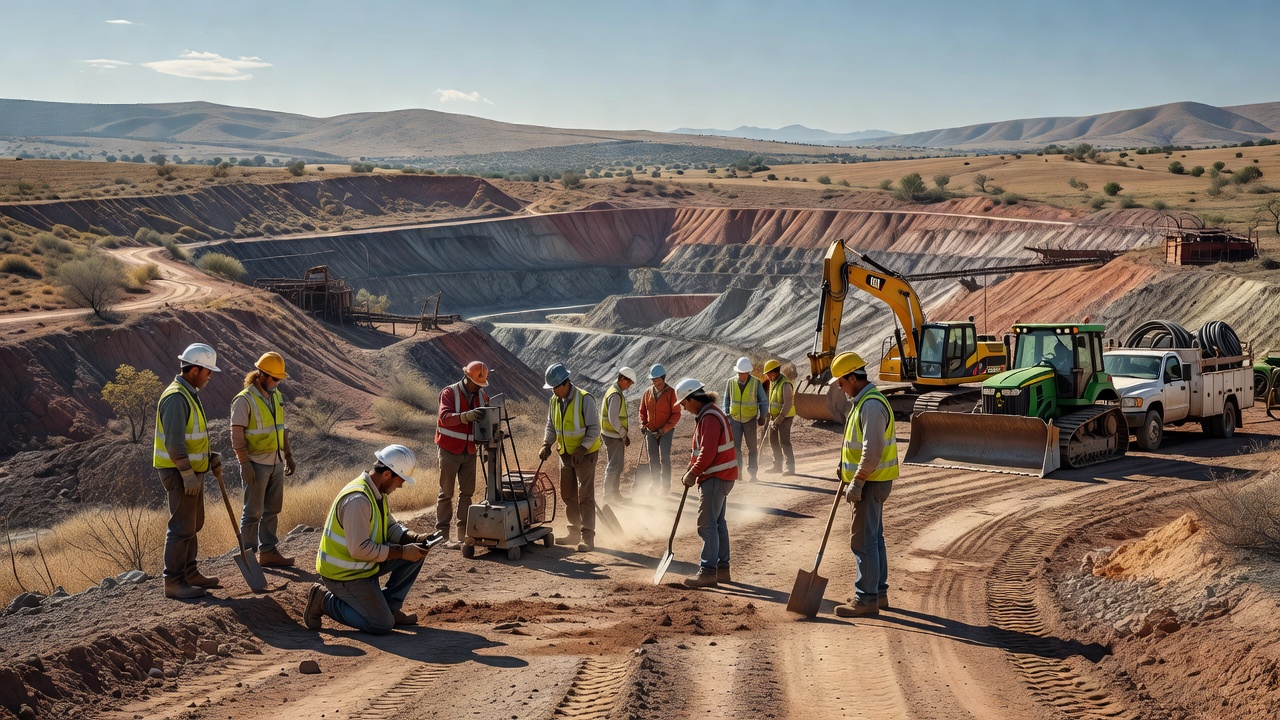
The Coppervale Community has launched a comprehensive restoration project for its historic copper mine, closed since 1965. Local officials and preservation groups aim to stabilize structures, address environmental concerns, and create educational opportunities while preserving the site's industrial heritage.
Historical Significance of the Mine
Opened in 1882, the mine produced over 1.2 million tons of copper ore during its active years, supporting hundreds of jobs and shaping the regional economy. Operations ceased amid declining prices and rising costs, leaving shafts, processing buildings, and tailings piles intact. Decades of weathering have raised safety and contamination issues that the current effort seeks to resolve through systematic assessment and remediation.
Archival records and oral histories document the mine's role in early 20th-century labor movements and technological advances in extraction methods. Community leaders note that restoration will protect these narratives for future generations rather than allowing further deterioration of the physical remnants.
Restoration Plans and Community Benefits
Phase one includes structural reinforcement of the main headframe and ventilation shafts, followed by soil testing and water treatment protocols to reduce heavy-metal runoff. Funding combines state grants, federal historic-preservation tax credits, and private donations totaling $4.7 million for the initial three-year timeline. Engineers will install interpretive signage and controlled-access trails to enable public tours without compromising safety.
Project coordinators expect the work to generate temporary construction employment while establishing long-term tourism revenue. Environmental monitoring stations will track progress on habitat recovery around the site. Residents have formed advisory committees to ensure local input guides decisions on land use and programming once restoration concludes. The initiative reflects broader regional interest in converting former industrial locations into assets that balance history, ecology, and economic development.